Archive for the ‘Heat Pumps’ Category

Durham Region Heat Pump Tip: Signs You Should Replace Your Heat Pump

Monday, July 23rd, 2012

The decision to replace major equipment can be a difficult one. How do you know when to call it quits on a part of your Durham Region heating and cooling system that is as important as the heat pump?

Here are some signs that you should replace your Durham Region heat pump:

  • If your heat pumps is making significantly more noise than it used to, it can be sign of major mechanical distress. Many times, replacement is the best solution.
  • Some components of a heat pump cost as much or more to repair as the whole unit does to replace. These components may include the compressor, the outdoor coil, the accumulator and the reversing valve. Once one of these goes, you are often better off replacing the heat pump than the broken component. Additionally, when repairs become so frequent as to no longer be cost effective, it’s a good time to replace the equipment.
  • A malfunctioning heat pump can cause problems with the humidity in your home. This is not a definitive indicator, but if you notice the humidity level rising in your home, you may need a heat pump replacement.
  • Any time your energy bill rises without a significant increase in usage, faulty or failing equipment is one of the top suspects. Your heat pump could very well be the culprit.
  • If you notice a cooling imbalance, such as rooms being too warm while others are too cool, your heat pump may be close to breaking.
  • Finally, if your heat pump is ten or more years old, replacing it is a good idea, even if it seems to be working fine. A new model will be much more efficient and chances are that the old one is headed for a major breakdown soon.

Keep in mind that these are not always definitive signs that your heat pump is done for good. Also, some of these may occur in combination. For example, you may have an old heat pump that is making a lot of noise and causing humidity problems.

Consult with a Durham Region heat pump professional like Advantage Airtech Heating & Air Conditioning for full diagnostics before making the decision to replace any major household equipment.

Goodwood Heating Installation Tip: Pros and Cons of Various Heating Systems

Monday, January 9th, 2012

When it comes time to install a new heating system in your Goodwood home, there are a lot of options to consider. Many people get overwhelmed when confronted with all of the furnaces, boilers and heat pumps on the market these days. So, to help you get a handle on what each has to offer and which will offer you the best benefits, here is an overview of the modern heating system market.

Furnaces

Furnaces are the core of a forced air heating system and use gas, oil or electricity to heat air which is then circulated through your home by a blower in your air handler. Furnaces are among the most fuel efficient heating systems on the market today with options available at up to 95% AFUE (meaning it uses up to 95% of the fuel consumed to produce heat). They are also inexpensive to install and while they don’t last quite as long as boilers, they are highly efficient when well cared for.

Boilers

Boilers use gas, oil or electricity to heat water or steam which is then circulated through your home into radiators or baseboard heaters. The heated water or steam releases heat into your home and heats it in turn. While not quite as energy efficient as a high efficiency furnace, boiler heat is perfect for homes with existing radiators and no room for vents and ductwork. It also has less of an impact on indoor air quality since there is no air movement and boilers tend to last a very long time when well maintained.

Heat Pumps

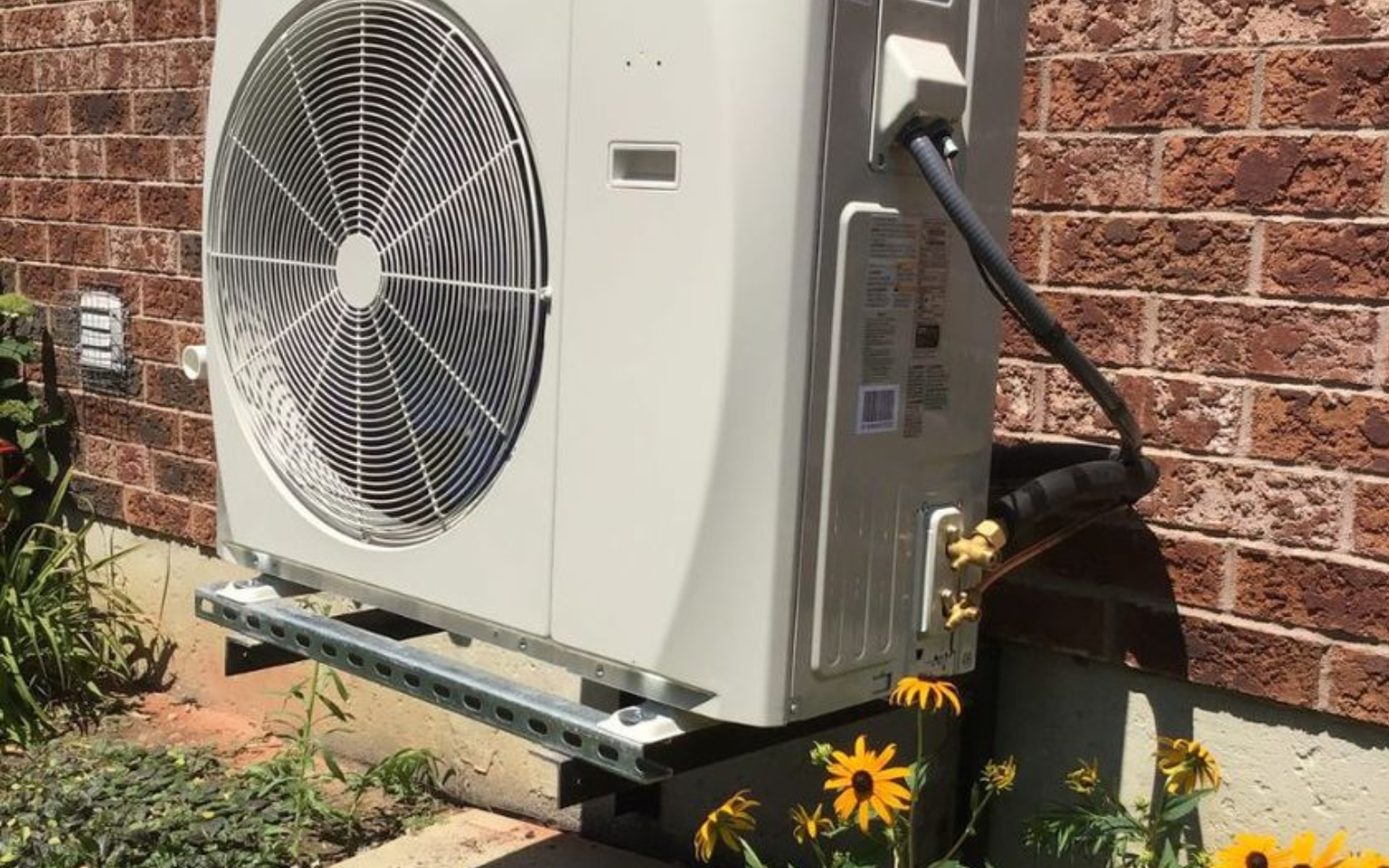
Heat pumps are becoming increasingly popular, especially in milder climates where it rarely gets below 40 degrees F. A heat pump uses the same technology as an air conditioner to extract heat from outside using a compressor, evaporator coils, and condenser coils with refrigerant.

It is most efficient in the spring and fall when temperatures are mild, but it uses much less energy than either a boiler or furnace and it can be used in the summer to cool your home. When properly maintained, a heat pump will last 10-20 years and save quite a bit of money, though it is recommended that you have an emergency heat source for days when the temperature outside gets below 40 degrees F.

What to Do About an Ice and Snow Covered Heat Pump in Newcastle

Monday, January 2nd, 2012

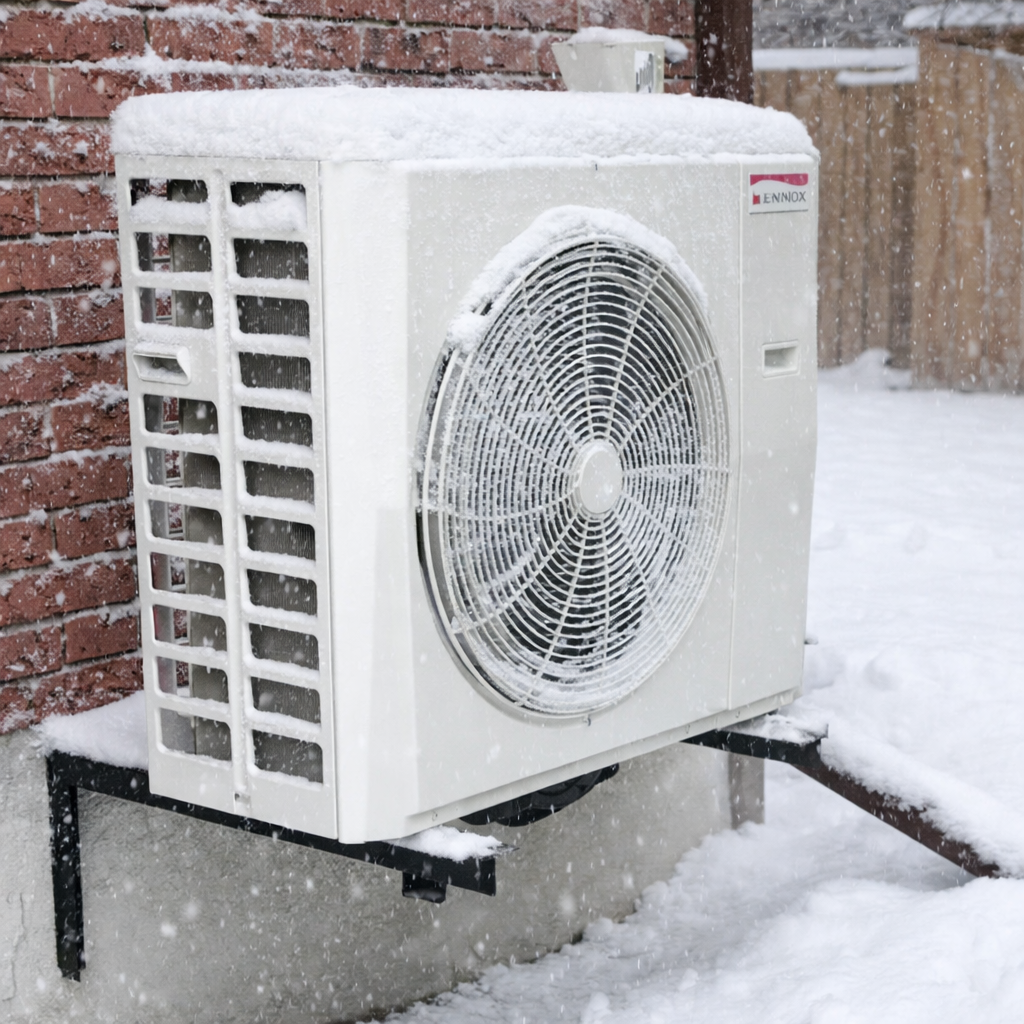
It’s very common for heat pumps to ice over in the winter time in Newcastle. It can be due to freezing temperatures and icing outside or it could be due to constant running of the heat pump or excess moisture on the coils. However, while a bit of ice on the heat pump is relatively normal, the entire unit should never be covered in ice – such a thing is not only hard on the machinery; it can result in no heat for your home.

How to Handle Ice and Snow on the Heat Pump

Should your heat pump become covered in ice or snow in the winter time, there are a few things you can do and some things you should not do. First, check to make sure the problem isn’t related to a broken defrost cycle timer. The heat pump should go into a defrost cycle every 30-90 minutes to keep excess ice from building up. If this doesn’t happen, it should be inspected for a thermostat or sensor problem.

To actually remove the ice from the unit, never use a sharp object to pick the ice clear. You can easily damage the coils or another part of the unit and leave it permanently broken. The best way to remove ice from your heat pump is to rinse it off with a hose – even cold water will remove ice. Just be sure the defrost cycle is ready to come back on so the water used to rinse away the ice doesn’t freeze.

Remember to check your emergency heating source and make sure it is switched on while this is happening. Your heat pump likely won’t work properly while iced over and if it is left in the on position, excess stress on the device will cause damage.

To avoid this kind of damage, turn off the heat pump and turn on your emergency heating source, then clear away the ice and check the defrost timer. If everything works properly, turn the heat pump back on, but if you find any problems, call a professional to do a more thorough inspection of the device before you use it again.

Furnace vs. Heat Pump: A Tip from a Markham Heating Contractor

Friday, December 16th, 2011

If you’re preparing to replace your existing heating system, you may very well be struggling with the question of whether to go with a furnace or a heat pump for all of your Markham home’s heating needs. Each of these systems have their own advantages and drawbacks, and once you’ve narrowed it down to one type or the other, you’ll still have a pretty wide variety of products to choose from.

Furnaces are still the most popular type of home heating equipment on the market. You can get furnaces that run on gas, oil or electricity, although gas furnaces are by far the most common type of furnace around these days. The latest models are extremely energy efficient, with AFUE ratings reaching into the high 90%s.

Like heat pumps, furnaces use ducts to transfer heated air throughout your home. They typically require regular maintenance once every year or two depending on the type of furnace you have, and they can be expected to last anywhere from 15 to 25 years when properly maintained. Most modern furnaces are also made to be compatible with a central air conditioning or cooling system as well.

Heat pumps, on the other hand, don’t generate the heat that they circulate throughout your house. Instead they are able to extract the heat from the air outside and pump it inside. This means that they use much less energy than even the most energy efficient furnaces.

However, heat pumps are only capable of heating your house comfortably when the outside temperature is above freezing. If you live in an area with particularly long and frigid winters, you’ll probably find that you need to supplement your heat pump with another heat source. Because of this, it actually makes little sense to use a heat pump in more extreme climates.

On the other hand, if you live in an area with relatively mild winters, heat pumps can be a great option. They provide a constant flow of warm air to all parts of your home and can also keep you house cool during hot summer months. To cool your home, heat pumps simply reverse the process they use to warm it. They take the heat out of your indoor air and pump it outside. This is a very effective home cooling method and makes heat pumps a great solution for year round comfort.

What Size Heat Pump is Right for My Home? A Question from Blackstock

Wednesday, October 26th, 2011

One of the most important questions to answer when purchasing and installing any new heating or cooling system in Blackstock, no matter what type, is what size is best for your home. You need something that has enough capacity to heat or cool your whole home comfortably; otherwise your house will consistently be at an undesirable temperature.

Some people might think that the quickest solution to this problem is to just buy a system that they are sure has a capacity larger than the size of their home. You may even be tempted to get the biggest model out there, under the logic that the biggest is the best and it will be sure to be able to cover your whole house.

While this line of thinking might make sense to you, it’s actually not a good idea. The problem with this “solution” is that you can wind up with a heat pump that is considerably too large for your needs, which means your home will consistently be either too cool or too hot, and your energy bills will be unnecessarily high.

The best way to choose a new heating pump is to have a professional do a load calculation in your home. This can be a highly technical process, so it is best to leave it to the pros. However, here are some quick tips and other things to consider on the subject:

  • There are a lot of variable to consider in doing a calculation like this. A contractor doing a load calculation will consider the type of construction, what kind of insulation you have installed, what kind of windows you have, whether there is an attic, how many people live there and many more factors.
  • It never hurts to shop around. Get a few estimates from different area contractors, rather than just going with the first opinion.
  • Also, since heat pumps are used for both heating and cooling, different contractors may opt to do the calculation in different ways. Some will estimate capacity based on heating, while others will base it on cooling. Ask to see which is the case for each estimate you receive.
  • If you are getting a new heat pump as a replacement for an existing one, or even a different heating/cooling system, check the capacity of the unit you are replacing. That can be a good place to start. You will at least be in the right ballpark.

All of this means doing some extra leg work up front, but getting the proper sized heat pump is well worth the effort.

Heat Pump Maintenance: A Guide from Toronto

Monday, October 24th, 2011

Heating and cooling your Toronto home is a priority. You need your home and family to be comfortable all year round, so you either got or are considering a heat pump. These machines are great because under the right circumstances, they are essentially all-inclusive and incredibly efficient solutions for all your home heating and cooling needs.

Notice the “under the right circumstances” part. A number of things have to be considered when choosing a heat pump, such as the climate and the size of your home. But these are not the only circumstances that influence how well your heat pump works for you. Proper maintenance is a vital component of heat pump ownership, ensuring that you get the best performance out of your heat pump for the longest time possible.

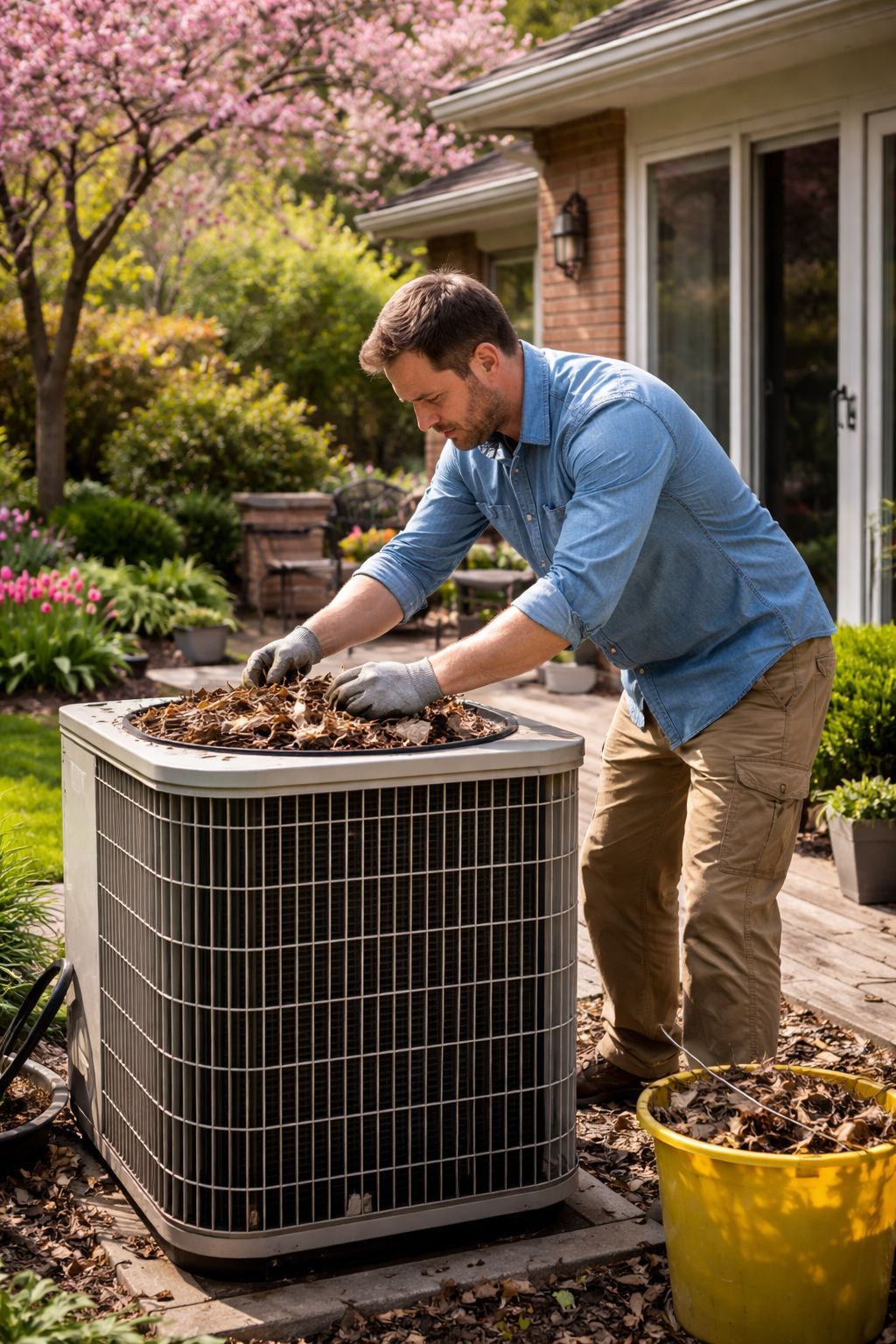
A major part of properly maintaining any machine is to keep it clean. A heat pump is no exception. Dirt and dust can affect the efficiency of your heat pump, as well as speed up corrosion problems. Keep the compressor and coils clean. Check them monthly or so and remove any accumulated dirt. Also, consistently check and change filters according to the manufacturer’s recommendations.

Simple cleaning is an easy and effective first step to heat pump maintenance, but there are some things that you just won’t be able to do on your own. For more intensive maintenance, it is best to call in a professional for an annual inspection.

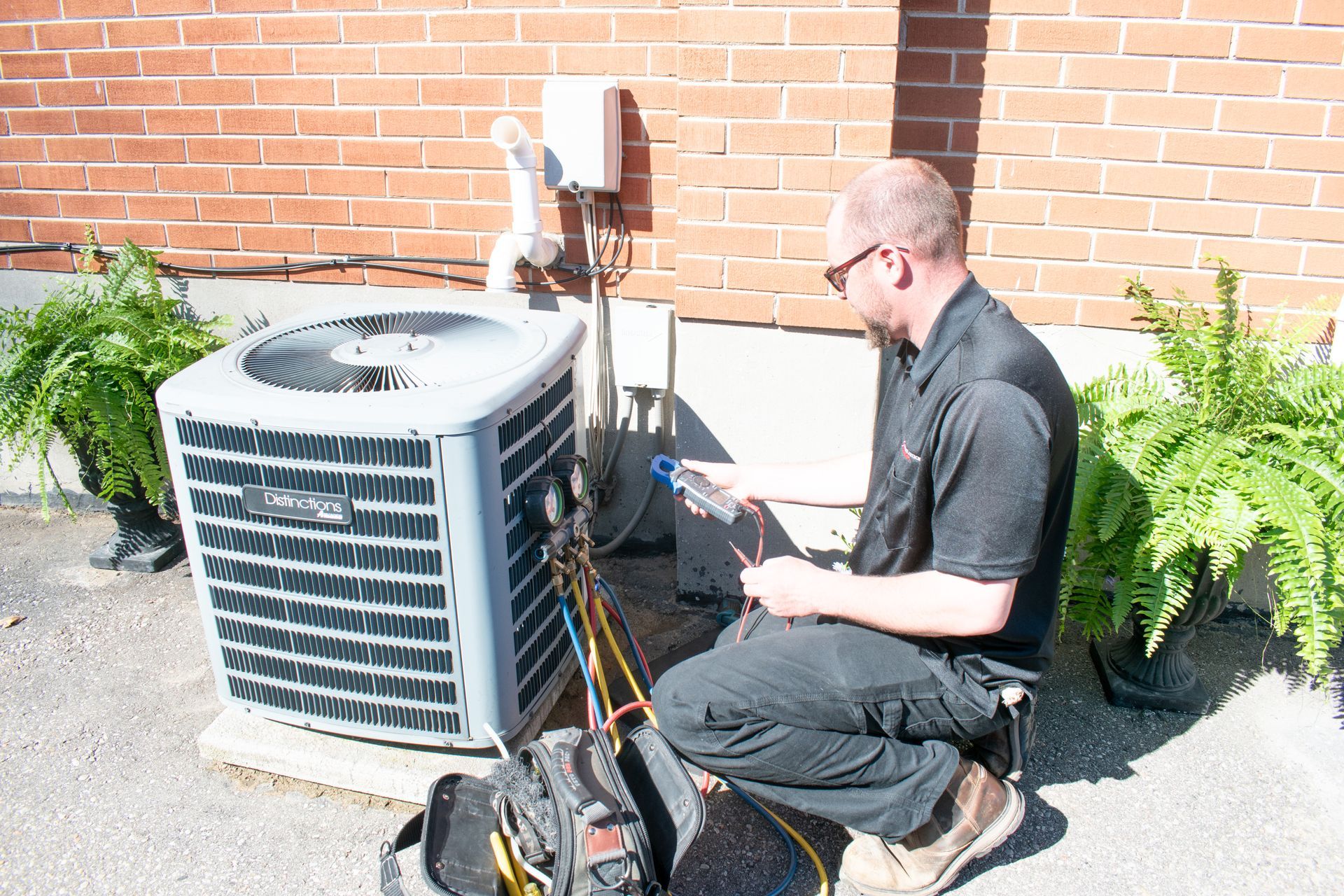
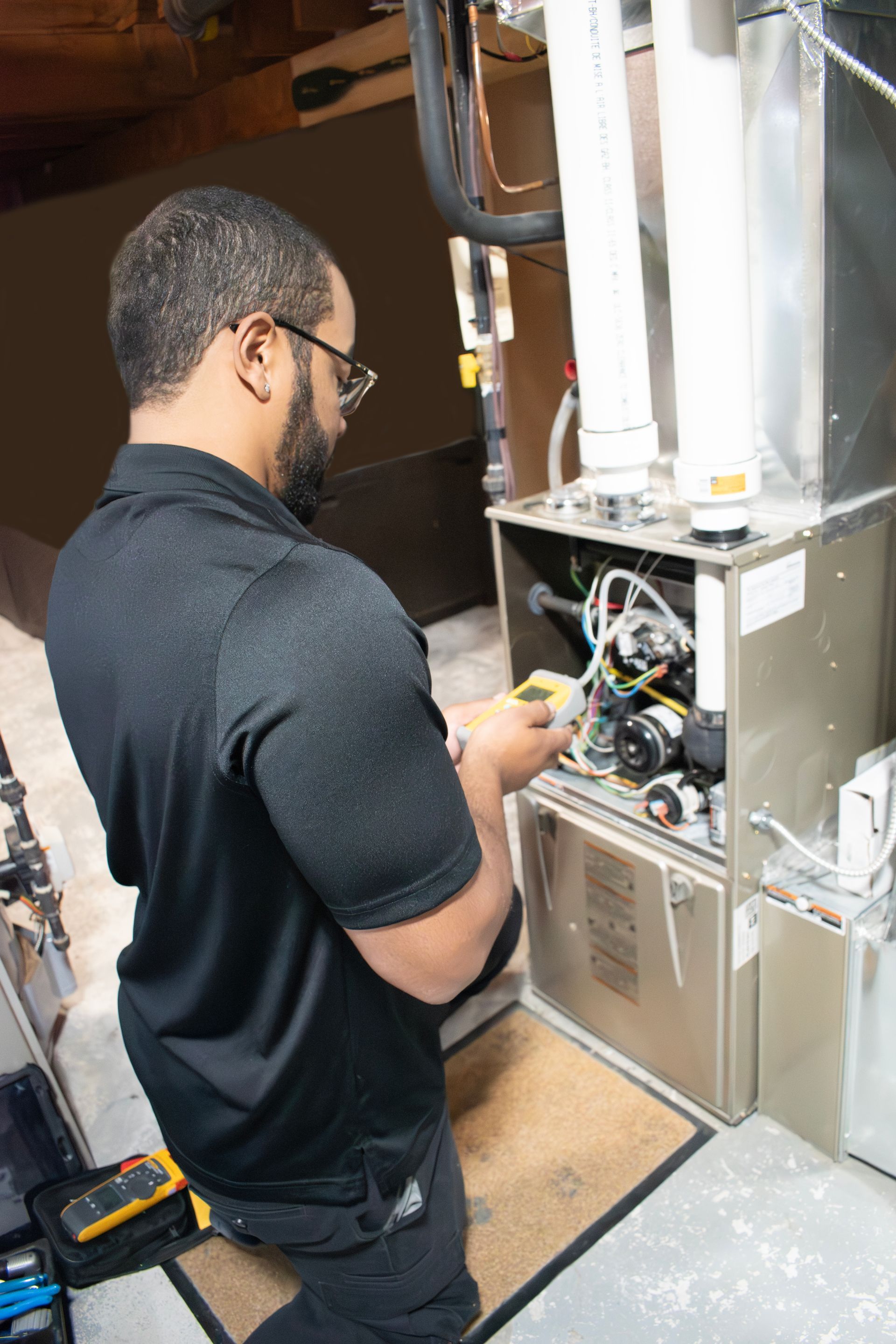
During a routine maintenance check of your heat pump, a technician will inspect the whole heat pump system for problems. He will clean the compressor and coils, tighten any connections that may have loosened up and change the filters as needed. In addition, a skilled technician will be able to detect any early signs of trouble and make necessary repairs to prevent break downs. These small repairs can prevent big problems later on, thereby preventing some serious discomfort and a possible big expense.

If you are considering a heat pump as a heating and cooling solution for your home, great. If you have already decided on one and had it installed, congratulations on making a smart decision. Now, make another smart decision to protect that investment by keeping your new heat pump properly maintained.