What is the Difference between Heat Pump and Forced Air
Most homes have either a heat pump or a forced-air system for their heating set-up, both of which are typically chosen based on the home and your needs. If you’re considering an upgrade or you anticipate some upcoming maintenance on your heating system, here’s what you need to know.
FORCED AIR VS. HEAT PUMP
So, what is the difference between forced air furnaces and a heat pump heating system after all?
Forced Air Furnaces
One of the most popular heating systems available, forced air furnaces typically run on electricity, oil, or gas. Simply put, a forced-air furnace uses a flame and oil, gas or some other conduit, to distribute heat through air vents in a home. Once the air is cool it is circulated back to the furnace to be reheated.
Advantages
- Variety of types available: Gas, Electric, Propane, or Diesel
- Modern models are high-efficiency – up to 98% efficient
- No dependency on external air and climate
- Most affordable to maintain/fix
Disadvantages
- No cooling system
- Dependency on market prices for an energy source
Appropriate climates
Extremely cold climates benefit from this type of heating system since it does not rely on air from outside of the home, making it easier to reach warmer temperatures in a shorter period of time and with less energy needed. This means that any climates that are colder than 0 degrees Celsius would benefit from a forced-air furnace rather than a heat pump.
Cost
What is the difference between forced air and a heat pump in terms of cost?
For a forced-air furnace, you are more dependent on the market prices for whatever type of energy your furnace is reliant on (i.e. propane, natural gas, electric or oil). While it can depend quite a bit on where in Canada you live, here are some general guidelines that can help you get a sense of how the different energy sources compare before you do your own research. These estimates are based on an average Winter season.
- Propane: $1,500 – $1,600
- Natural gas: $800 – $900
- Electric resistance: $850 – $950
- Oil: $800 – $850
It’s worth noting that electricity is generally the most stable among energy sources in terms of market prices.
Luckily, forced air is more efficient in colder climates than a heat pump because it doesn’t rely on auxiliary heat during the extremely cold seasons. If you want to learn more about a forced-air heating system contact us today.
Electric Heat Pumps
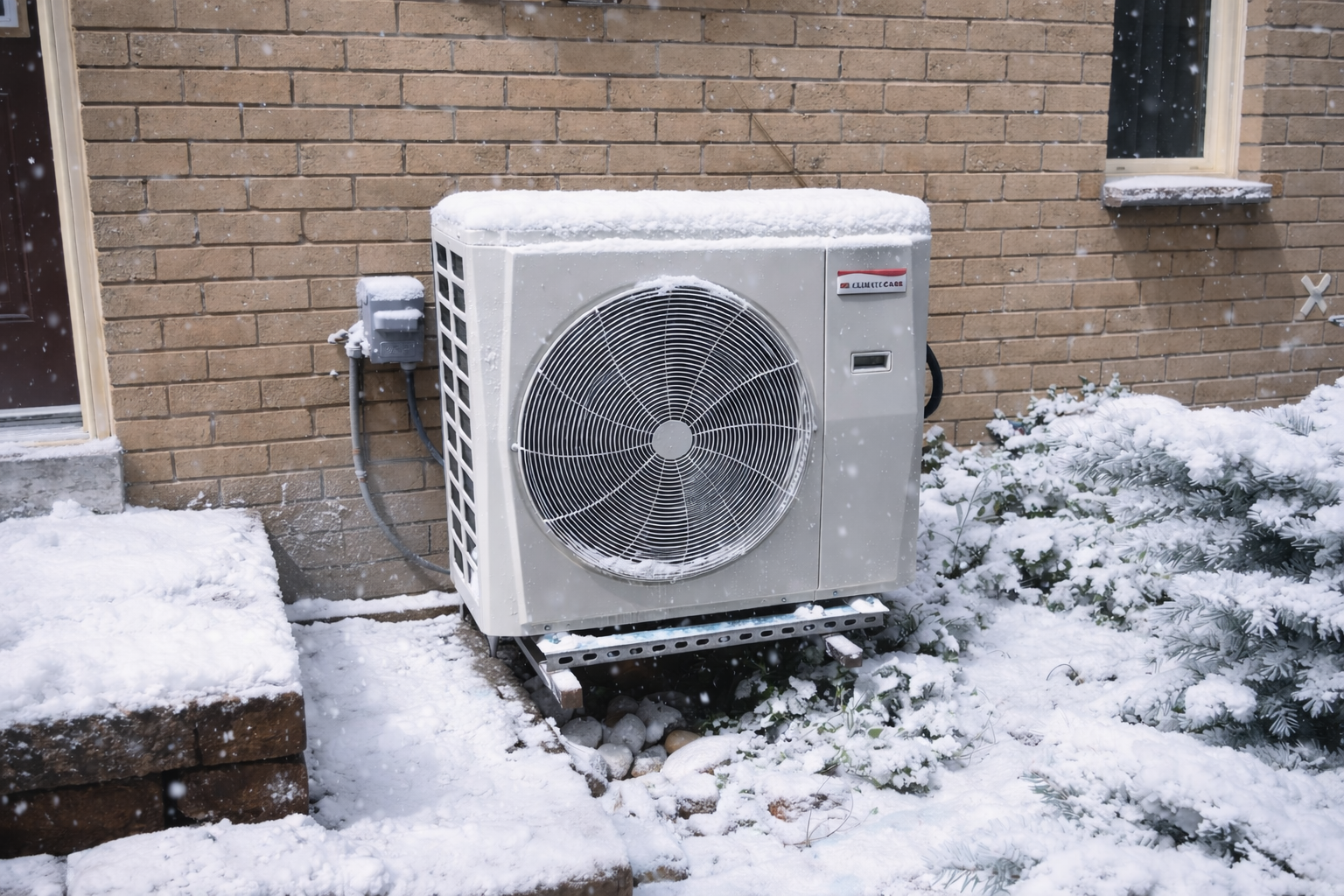
In short, a heat pump uses air from outside your home to heat in winter and cool in summer. The heat pump constantly moves warm air from one place to another. In the winter, it will capitalize on warm air and circulate it accordingly and, in the summer, it will extract warm air from your home to make it cooler.
Advantages
- Very efficient in temperate climates
- In temperate climates, it can work as both a heating and cooling system.
- Safety concerns during a malfunction are minimal
Disadvantages
- Very dependent on temperatures outside of the home. This means that it is not best for extremely cold and hot climates.
- Similarly, a heat pump can be affected by frost
- More energy will be needed for this heat pump to produce the desired temperature if the outdoor temperatures fluctuate frequently.

Cost
What is the difference between forced air and a heat pump in terms of cost?
For a heat pump, the annual operating costs for models that are very efficient are typically in the range of $800 to $900. This range is dependent, of course, on the size of your home and how effective the heat pump is at distributing air and moderating temperature.
As mentioned above, heat pumps are very much affected by the temperature of the air outside of the home. This means that energy efficiency will be noticeably lower when temperatures outside are colder, or at the very least drastically different to the temperature you want in your home.
GOT QUESTIONS ABOUT HEATING YOUR HOME?
Keeping your home comfortable is our number one priority.
Now that we’ve delved into what the difference between forced air and heat pump is, you might have some more questions about which heating system is best for you. To learn more about which system would work best for your family, contact us today! Our experts in Pickering, Ajax, Whitby, Bowmanville, and Oshawa are ready to help!
You might also like