Why is my Furnace not working after a Snowstorm?
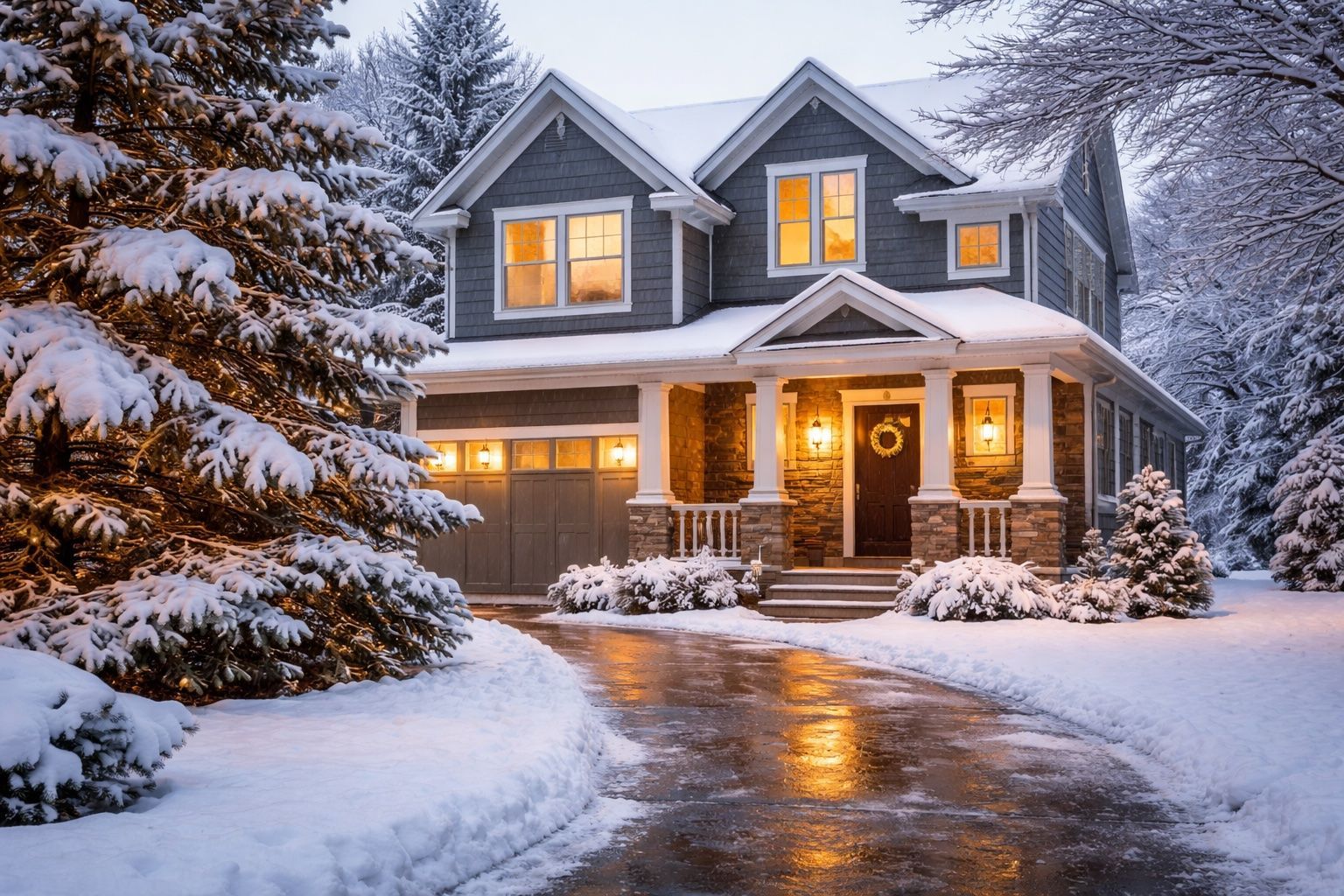
Anytime your furnace isn’t working when you need it, it’s stressful. However, it may be even more stressful if you’ve just had a big snowstorm. It’s cold out and the plows haven’t even been by, so you feel stuck in your cold home. Unfortunately, this is a common call we get, as major snowfalls can trigger your furnace to turn off unless you know why this happens and have taken steps to prevent it. Let us explain what’s going on, how to fix your furnace, and how to stop snow from getting in the way of your warmth again.
BLOCKED EXHAUST AND INTAKE
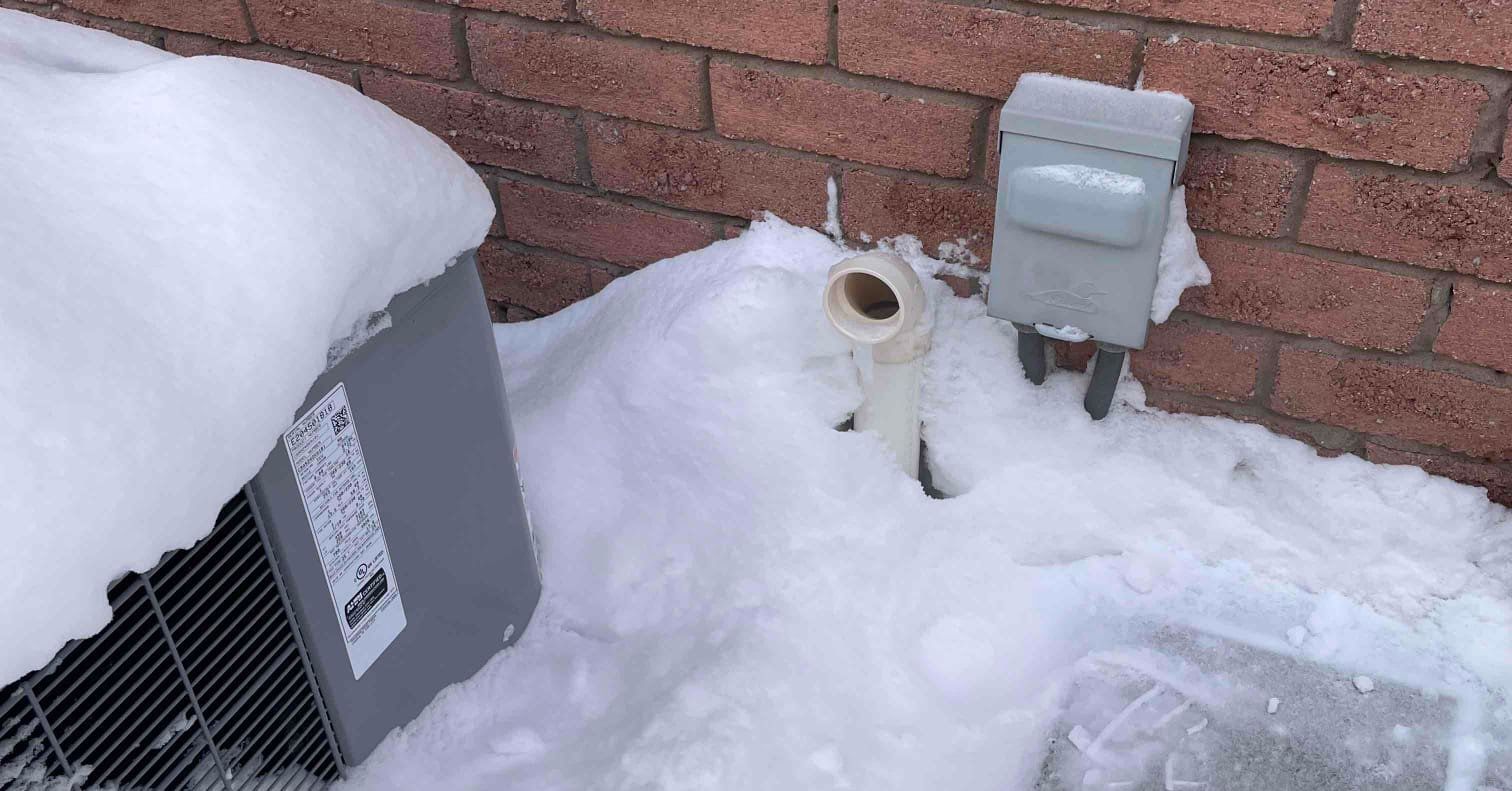
Essentially, the problem is that the recent snowfall has blocked the intake or exhaust pipe of your furnace, which has caused it to shut down. New high-efficiency furnaces have PVC pipes as exhaust and intake pipes. These pipes lead from your furnace outside and are usually at the side or back of your home. Typically, they are not too far from the ground, which means that snowfall may cover them.
When a furnace has trouble venting air it may trigger a safety shut-off. After all, you wouldn’t want furnace exhaust to be redirected back into your home. Without the safety shut-off, you might not even realize this was happening. Besides, failure to vent can cause other problems within the furnace that are more expensive to fix. So, the safety shut-off is a good thing, even if an inconvenient one.
HOW TO FIX YOUR FURNACE
Thankfully, the fix for this chilling problem is simple. All you need to do is head outside of your home and find the exhaust and intake vents for your furnace. Check near where your furnace is installed for PVC pipes. These are plastic, not metal, and should be hidden under the recently fallen snow.
When you find them, dig them out. Then take a peek inside to make sure that nothing else is blocking them. If they are clear, your furnace should turn back on automatically. If it doesn’t, you may need to call your HVAC professional.
HOW TO PROTECT YOUR FURNACE VENT FROM SNOW
If your furnace vents are particularly low or you get large amounts of snowfall you may want to take preventive measures to stop this problem from happening again. You can install a small awning for the vents, or construct a simple A-Frame with wood to block snow.
CONTACT ADVANTAGE AIRTECH CLIMATECARE IF YOU NEED HELP
For all of your furnace and HVAC needs contact the experts at Advantage Airtech ClimateCare.
You might also like