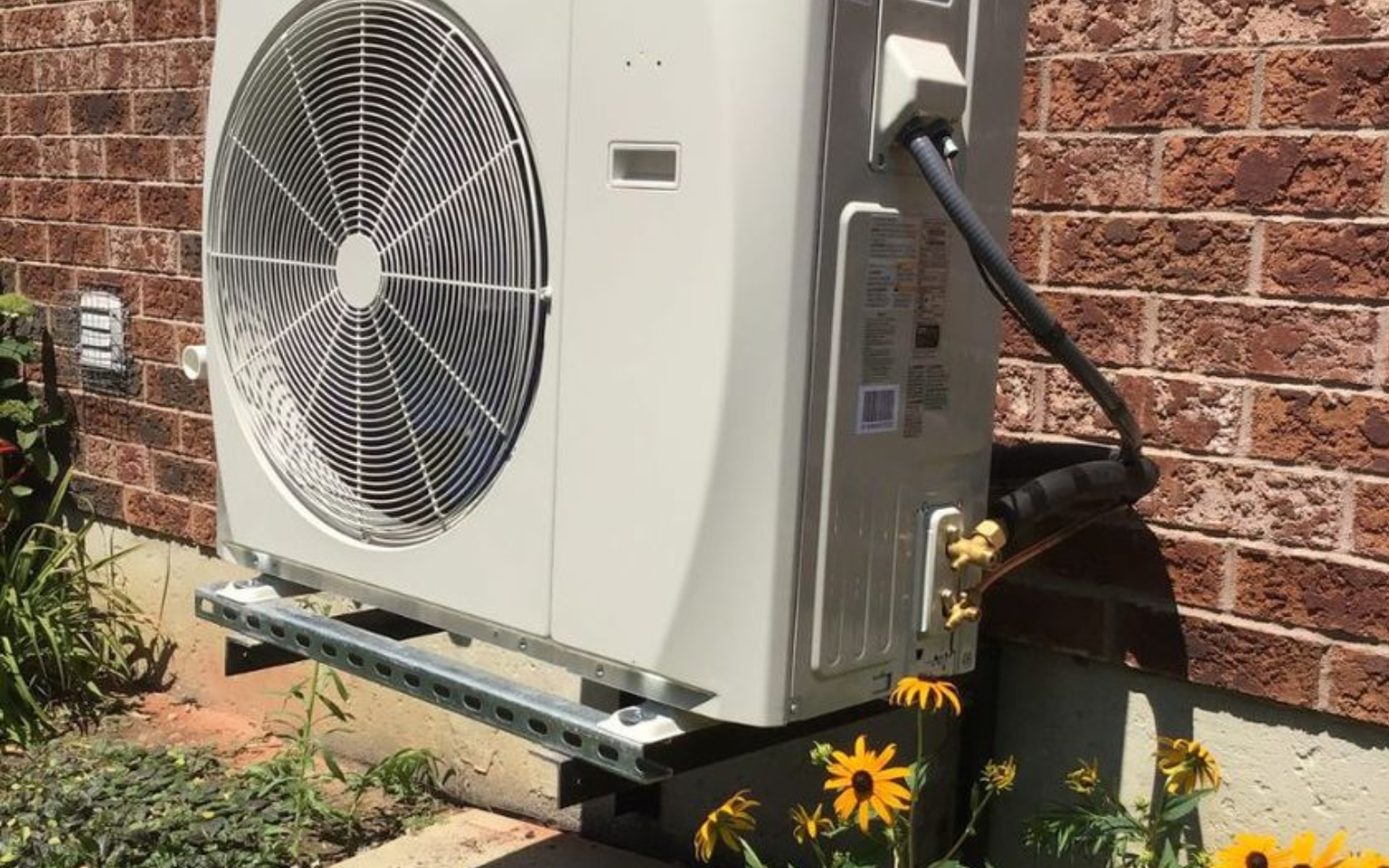
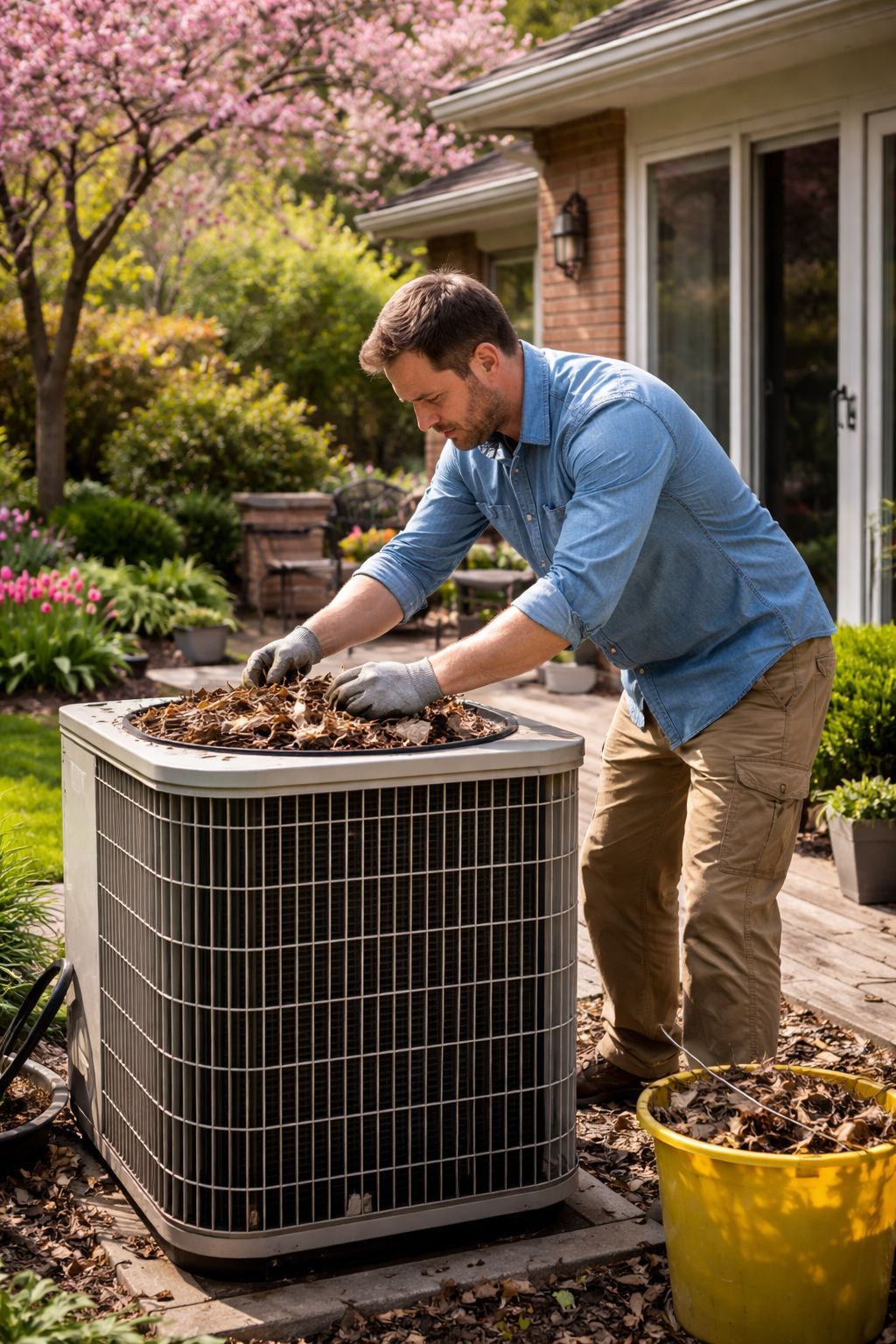
Furnace vs. Heat Pump: What's Right for a Durham Region Home?
An Honest Guide for Pickering, Ajax, Whitby & Oshawa Homeowners
For most Durham Region homeowners, the answer in 2026 is neither furnace nor heat pump alone — it's a hybrid system. A cold-climate heat pump handles heating efficiently through fall, spring, and milder winter days, while a gas furnace takes over during deep freezes. This combination gives you maximum efficiency and maximum reliability.
Heat pumps are getting a lot of attention right now — and for good reason. Government rebates, rising natural gas prices, and a much-improved generation of cold-climate technology have made heat pumps a serious conversation for Ontario homeowners.
But there's also a lot of noise out there. Some say heat pumps can't handle Canadian winters. Others say gas furnaces are on their way out. Neither is quite accurate — and making the wrong choice for your home is an expensive mistake.
This guide cuts through the noise and explains, specifically for Durham Region's climate, what each system does well, where each falls short, and what most Pickering homeowners are actually choosing in 2026.
How Each System Works
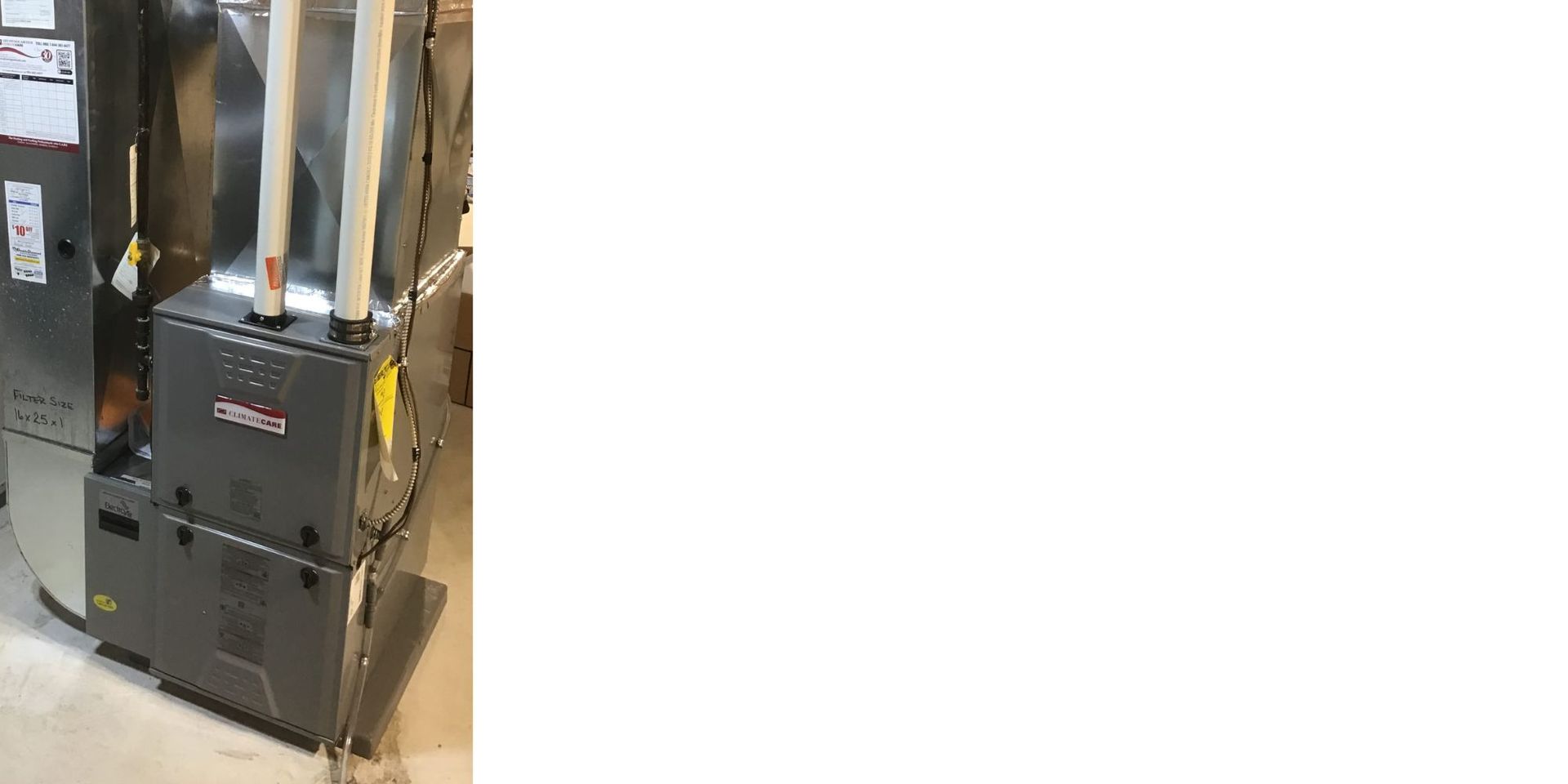
Gas Furnace
A gas furnace generates heat by burning natural gas, then distributes that heat through your home's ductwork via the blower motor. It produces powerful, high-temperature heat quickly — typically blasting air at around 50–55°C through your vents.
Key characteristic: A furnace creates heat. It is independent of outdoor temperature and will perform reliably whether it's -5°C or -35°C outside.
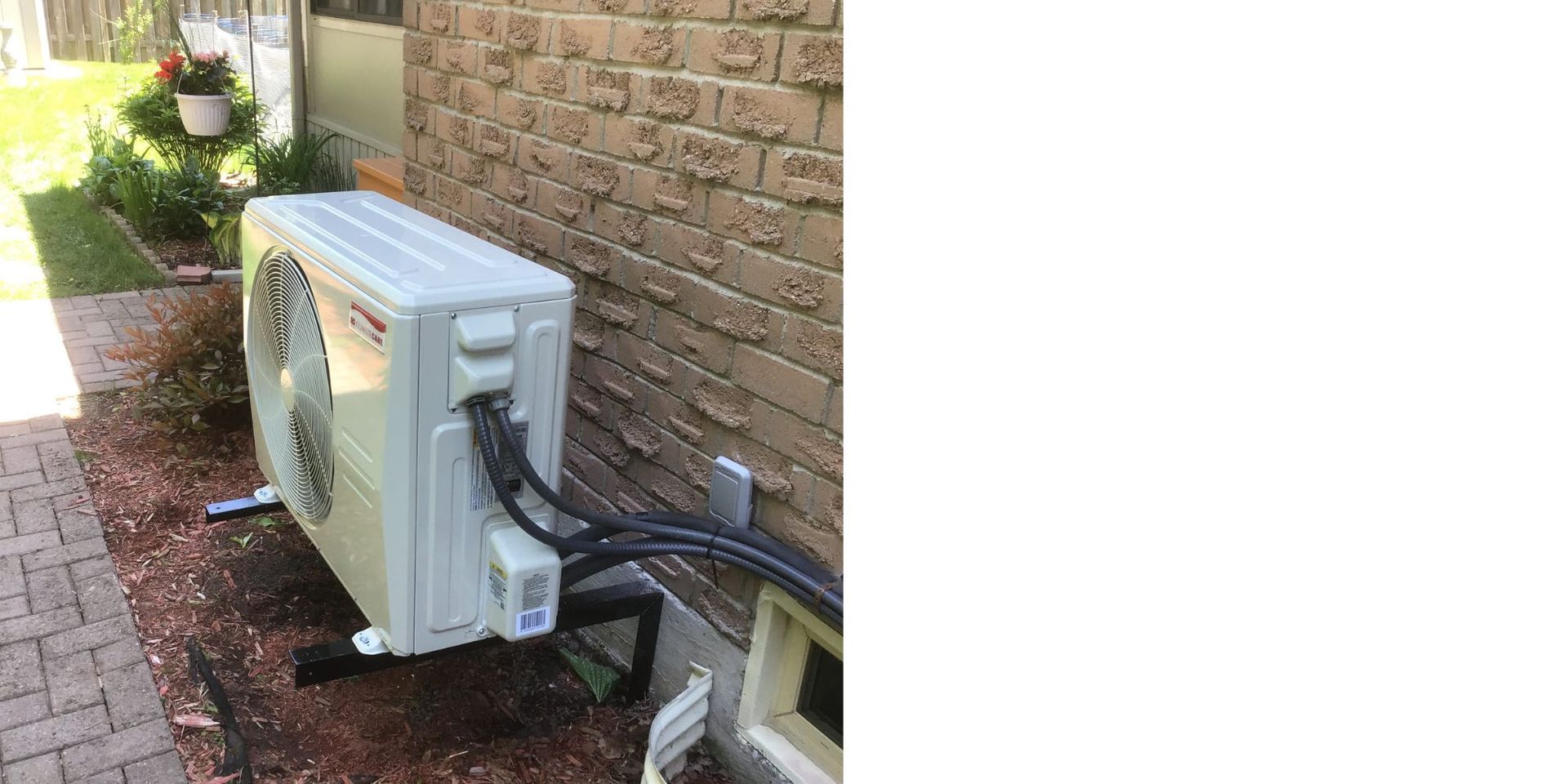
Heat Pump
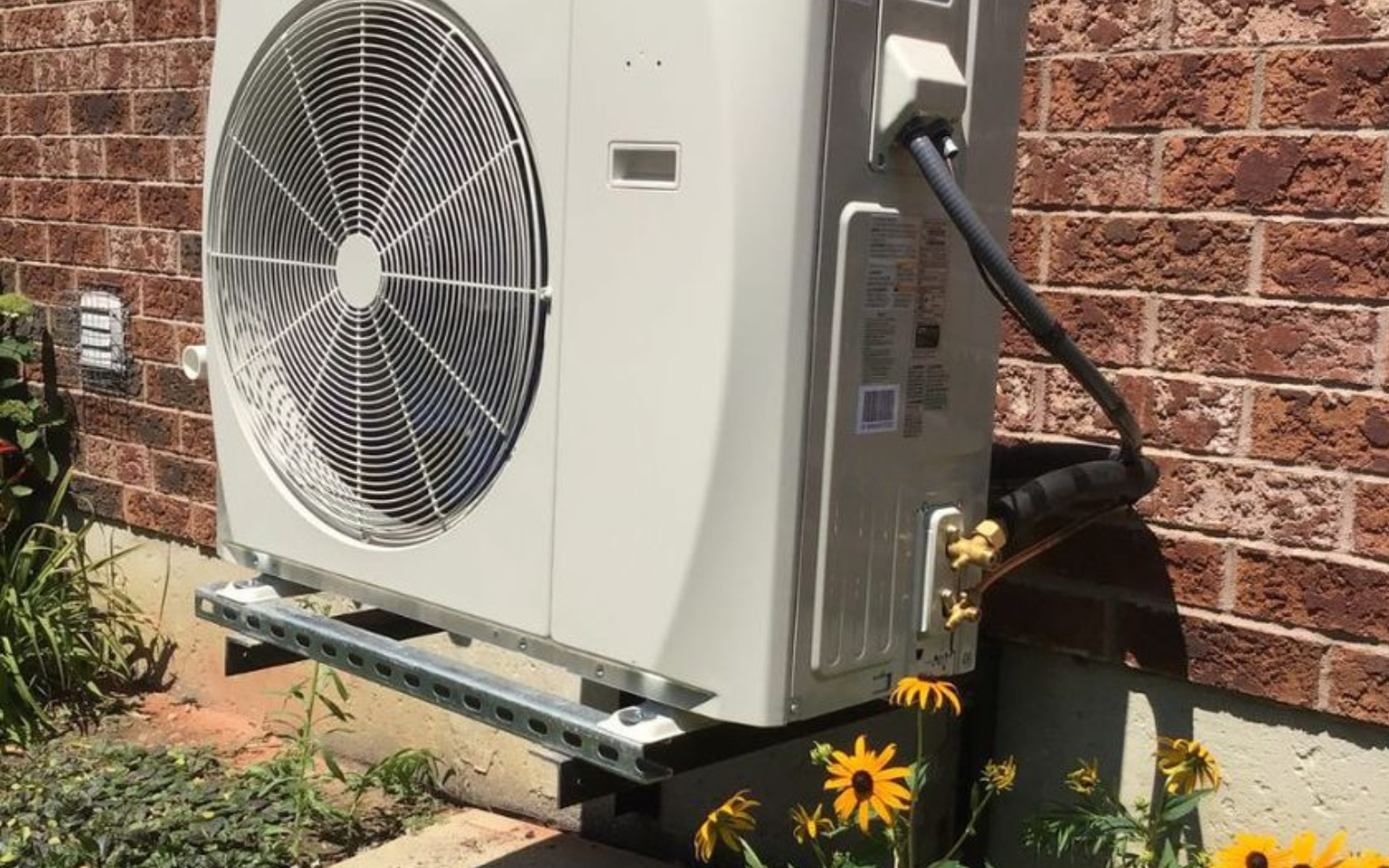
A heat pump does not create heat — it moves heat. It extracts thermal energy from outdoor air and transfers it inside, even in cold weather. In summer, it reverses the process and acts as an air conditioner.
Key characteristic: A heat pump is highly energy-efficient because it moves heat rather than generating it. Modern cold-climate heat pumps are designed to operate down to approximately -25°C, though efficiency decreases as temperatures drop below -10°C.
Hybrid (Dual-Fuel) System
A hybrid system pairs a cold-climate heat pump with a gas furnace. The heat pump handles heating during mild temperatures. When outdoor temperatures drop below a set threshold (typically -5°C to -10°C), the system automatically switches to the gas furnace.
Key characteristic: Maximum efficiency for the majority of the heating season, with the reliability of gas during extreme cold. This is the most popular upgrade choice in Durham Region.
| Factor | Gas Furnace | Heat Pump | Hybrid System |
|---|---|---|---|
| Performance at -20°C | ✅ Excellent | ⚠️ Reduced efficiency | ✅ Furnace takes over |
| Energy efficiency (mild days) | ⚠️ Moderate | ✅ Very high | ✅ Very high |
| Provides cooling | ❌ No (need separate AC) | ✅ Yes | ✅ Yes |
| Upfront cost | 💲 Lower | 💲💲 Higher | 💲💲 Higher |
| Monthly operating costs | ⚠️ Depends on gas prices | ✅ Lower in mild weather | ✅ Best overall |
| Available rebates (2026) | ❌ Limited | ✅ Up to $7,500+ | ✅ Up to $7,500+ |
| Carbon footprint | ⚠️ Higher | ✅ Lower | ✅ Lower |
| Complexity | Simple | Moderate | Moderate |
| Best for | Older, larger homes | New builds, mild climates | Most Durham Region homes |
Durham Region's Climate: What It Means for Your Decision
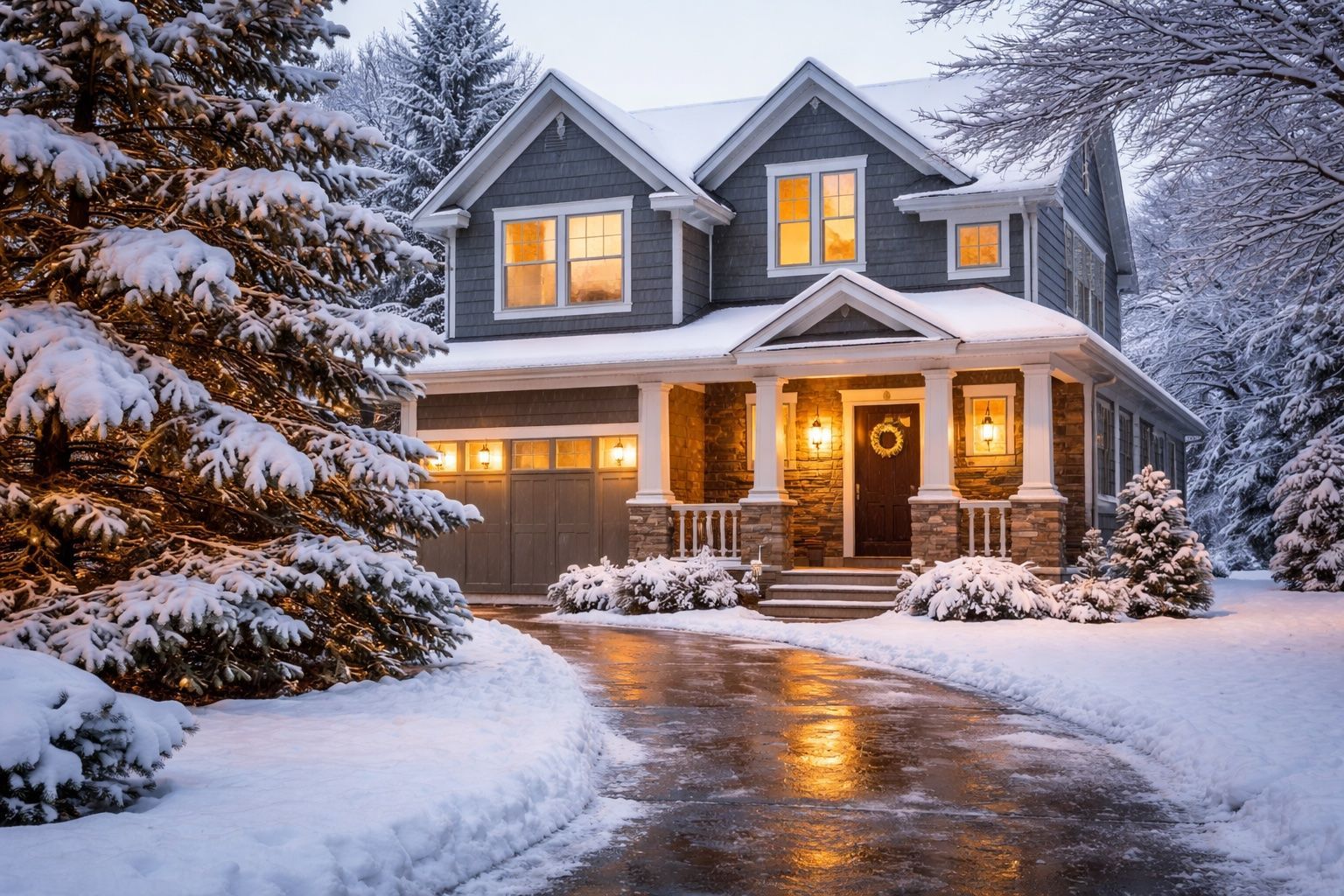
Durham Region: Pickering, Ajax, Whitby, Oshawa, sits in a climate zone that gets genuine Canadian winters. Average January lows hover around -8°C to -12°C, with periodic cold snaps that can push to -20°C or colder during a polar vortex.
This matters because:
- Heat pumps are efficient during the majority of our winter. Most Durham Region winter days fall between 0°C and -15°C — a range where a modern cold-climate heat pump operates well.
- But extreme cold snaps do happen. During a polar vortex, relying solely on a heat pump can mean reduced comfort or higher electricity costs as the system works harder.
- A hybrid system is purpose-built for this climate. The heat pump carries the load on the majority of winter days, and the furnace handles the extreme cold. Ontario's electricity grid is over 90% emissions-free (nuclear and hydro), meaning the heat pump portion of your hybrid runs on very clean energy.
The Cost Reality in 2026
Upfront Installation Costs (Durham Region estimates)
| System | Approximate Cost |
|---|---|
| New high-efficiency gas furnace | $4,000–$7,000 |
| New central air conditioner (furnace only homes) | $3,500–$6,000 |
| Cold-climate heat pump (replacing AC only) | $5,000–$9,000 |
| Full hybrid system (heat pump + furnace) | $10,000–$18,000 |
Costs vary based on home size, ductwork condition, electrical requirements, and equipment tier. Contact us for a free in-home assessment.
Available Rebates (2026)
Ontario homeowners can currently access significant incentives for heat pump upgrades through the Home Renovation Savings Program (Save on Energy and Enbridge Gas), offering up to $7,500 for air source heat pumps and up to $12,000 for ground source systems. These rebates can significantly change the cost calculation.
Eligibility requirements apply and programs can change — ask your HVAC contractor to walk you through current rebate options before making a decision.
Monthly Operating Costs
For a typical 2,000 sq. ft. Durham Region home, rough monthly estimates in January:
- High-efficiency gas furnace: $120–$180/month (heating only)
- Cold-climate heat pump only: $100–$160/month (varies significantly with temperature)
- Hybrid system: Best overall — heat pump efficiency most of the month, gas backup during cold snaps
In well-insulated homes, heat pump systems can reduce heating costs by 30–50% compared to older furnaces or electric baseboards. Homes with natural gas heating and newer high-efficiency furnaces may see more modest savings from a heat pump upgrade.
Who Should Consider Each Option
A Gas Furnace Replacement Makes Sense If:
- Your current furnace is 12–15+ years old and failing
- Your home is large (2,500+ sq. ft.) with older insulation
- Your budget doesn't accommodate a heat pump right now
- You already have a newer, high-efficiency AC that isn't due for replacement
A Heat Pump Makes Sense If:
- You're replacing both your furnace AND air conditioner at the same time
- Your home is well-insulated and relatively airtight
- You're looking to reduce your carbon footprint
- You want to take advantage of current rebate programs
- Your electrical panel can support the additional load (or you're willing to upgrade it)
A Hybrid System Makes Sense If:
- You want the efficiency of a heat pump without sacrificing reliability during extreme cold
- You're replacing aging equipment and want a long-term solution
- You want to maximize rebate eligibility while keeping a gas backup
- You live in Durham Region — this system is specifically well-suited to our climate
Common Heat Pump Myths — Addressed
"Heat pumps don't work in Canadian winters." Modern cold-climate heat pumps are designed to operate down to -25°C. They do lose efficiency below -10°C, which is why a hybrid system makes sense for Ontario — the furnace handles those extreme days while the heat pump carries the rest of the season.
"Heat pumps produce cold air." Heat pumps deliver air at around 35–45°C, compared to a gas furnace's 50–55°C. The air feels less intense, but the home reaches and maintains the set temperature just the same. Homes with good insulation and sealed ductwork typically notice no comfort difference.
"You need to replace all your ductwork." In most cases, existing ductwork is compatible with a heat pump. Your HVAC technician will assess your ductwork during an in-home evaluation. Some minor modifications may be needed, but full replacement is rarely required.
"Heat pumps are too expensive." With 2026 rebates of up to $7,500 available, the gap between a furnace+AC replacement and a heat pump installation has narrowed significantly. In many cases, the ongoing monthly savings mean a heat pump pays for the cost difference within a few years.
What About My Electrical Panel?
This is a real consideration that some homeowners overlook. Heat pumps require a dedicated 240V circuit, and older homes in Durham Region may have electrical panels that need upgrading to support one.
The cost of an electrical panel upgrade typically runs $2,000–$4,000 — worth factoring into your budget before committing to a heat pump installation. Your HVAC contractor and a licensed electrician can assess your panel before you make a decision.
FAQ: Furnace vs. Heat Pump for Durham Region Homeowners
Q: Is a heat pump worth it in Pickering, Ontario? For most Durham Region homeowners, yes — especially if you're replacing aging equipment and can access current rebate programs. A hybrid system is particularly well-suited to our climate.
Q: Can a heat pump replace my furnace completely? In Durham Region's climate, a heat pump alone can handle most of the heating season, but a hybrid system with a gas furnace backup is generally recommended for maximum comfort and efficiency during our coldest days.
Q: How long does a heat pump last in Ontario? Modern cold-climate heat pumps typically last 12–15 years with annual maintenance. A gas furnace lasts 15–20 years. Proper sizing and installation are the most important factors in system longevity.
Q: Do I need to upgrade my electrical panel for a heat pump? Some homes do, some don't. A licensed HVAC contractor will assess your electrical capacity during an in-home evaluation before recommending a heat pump installation.
Q: What heat pump rebates are available in Ontario in 2026? Ontario homeowners can access up to $7,500 for air source heat pumps and up to $12,000 for ground source systems through the Home Renovation Savings Program. Eligibility requirements apply — contact us for a current assessment.
Q: What is a hybrid heating system? A hybrid (dual-fuel) system combines a cold-climate heat pump with a gas furnace. The heat pump operates during mild weather and the furnace automatically takes over during extreme cold. This combination offers the best balance of efficiency and reliability for Ontario's climate.
The Bottom Line
There is no single right answer for every home — but for most Durham Region homeowners replacing aging equipment in 2026, a hybrid heat pump system offers the best combination of efficiency, comfort, and reliability. It's purpose-built for Ontario's climate, qualifies for significant rebates, and gives you the peace of mind of gas backup during our worst winter days.
Not sure what's right for your home? Our Comfort Advisors provide free, no-pressure in-home assessments — we'll look at your home's size, insulation, ductwork, and current equipment and give you an honest recommendation.
You might also like