
How Do I Know If My AC Is Ready for Summer?

March 31, 2026

A Spring Startup Checklist for Durham Region Homeowners

By Advantage Airtech ClimateCare | Serving Pickering, Ajax, Whitby & Durham Region

Your air conditioner has been sitting idle since last September. And while it's been doing nothing, a Durham Region winter has had months to do its thing — leaves, debris, nesting critters, and temperature swings can all take a toll on equipment that's just sitting outside.

The last thing you want is a sweltering July afternoon and an AC unit that won't start. A little attention in spring goes a long way. Here's exactly what to check before you power up for the first time this season.

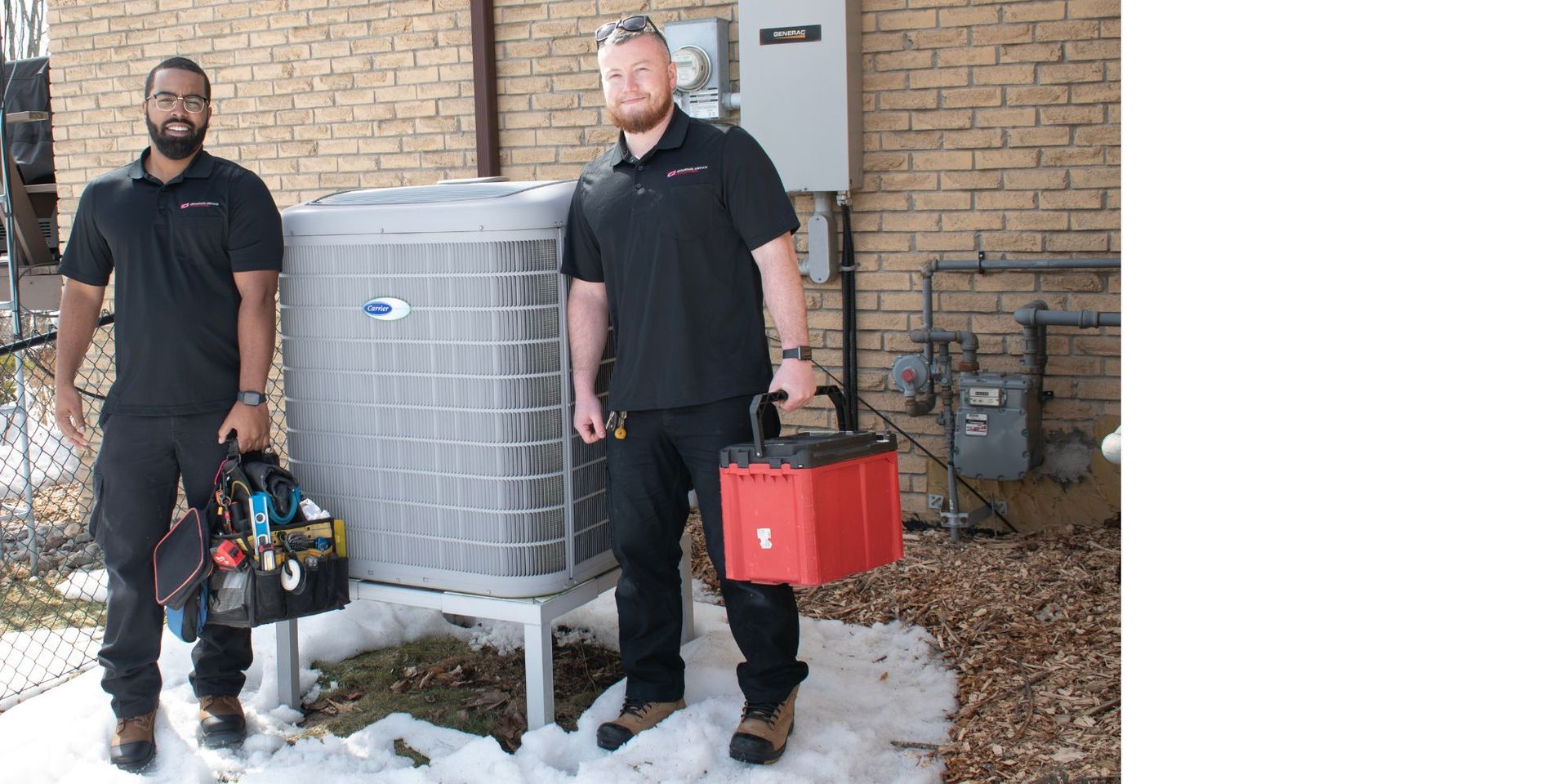
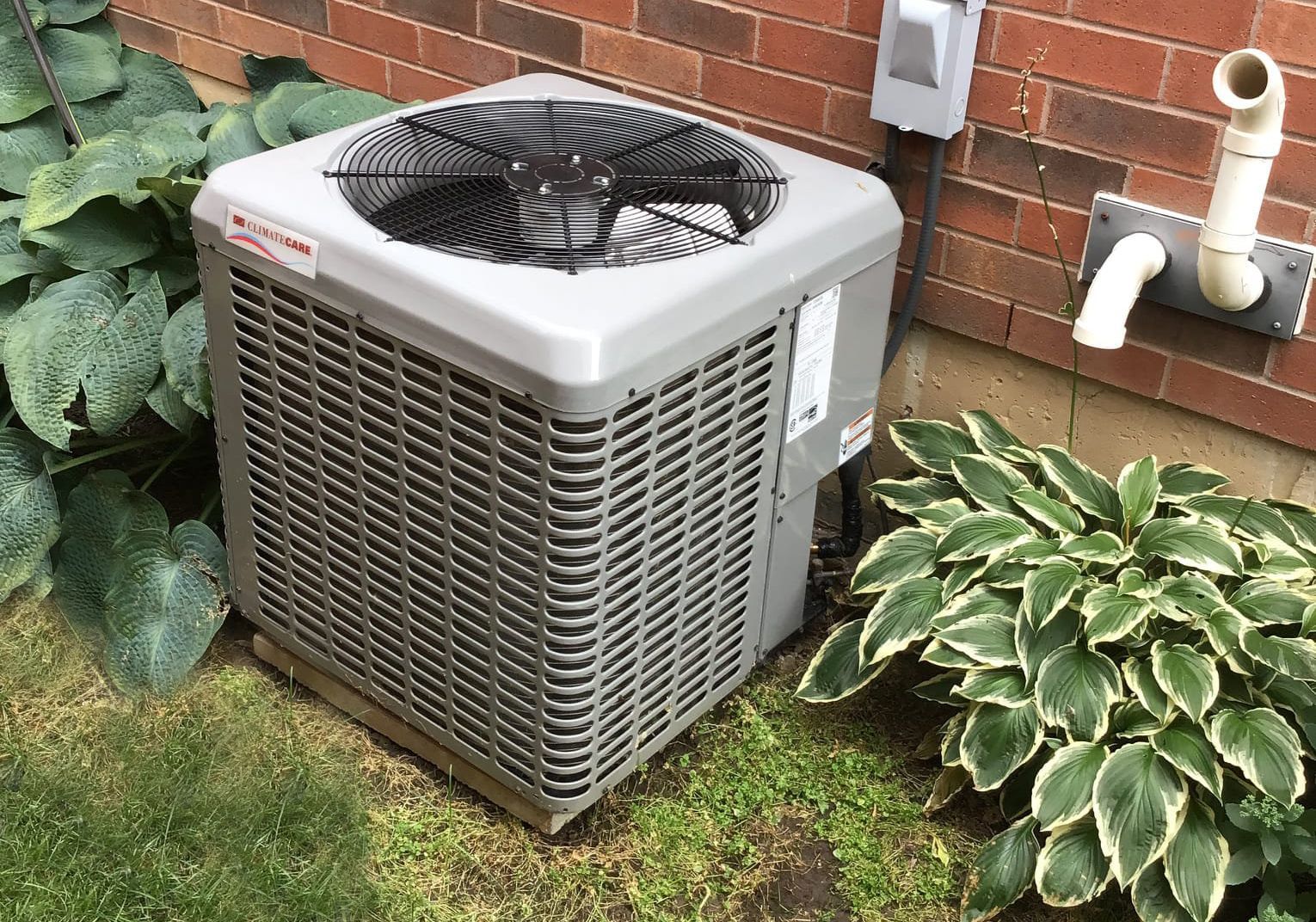
Outdoor central air conditioner condenser unit beside a house in Pickering, Ontario, ready for spring startup

Step 1: Wait for the Right Temperature Outside

Don't test your AC when it's still cold outside. Most central air conditioning systems are not designed to operate when outdoor temperatures are below 15°C. Running the compressor in cold conditions can damage it — and that's an expensive repair. In Durham Region, we often get warm teaser days in March and early April. Resist the urge to fire up the AC on those days. Wait until outdoor temperatures are consistently above 15°C before doing a proper test.
Pro tip: If your outdoor disconnect or breaker has been switched off all winter, don't just flip it on and immediately call for cooling. Give the system 12–24 hours with power restored first. Many systems have a crankcase heater that needs time to warm up the compressor oil — skipping this can cause unnecessary wear.

Step 2: Go Outside and Check the Condenser Unit

Take a walk around your outdoor unit before doing anything else.

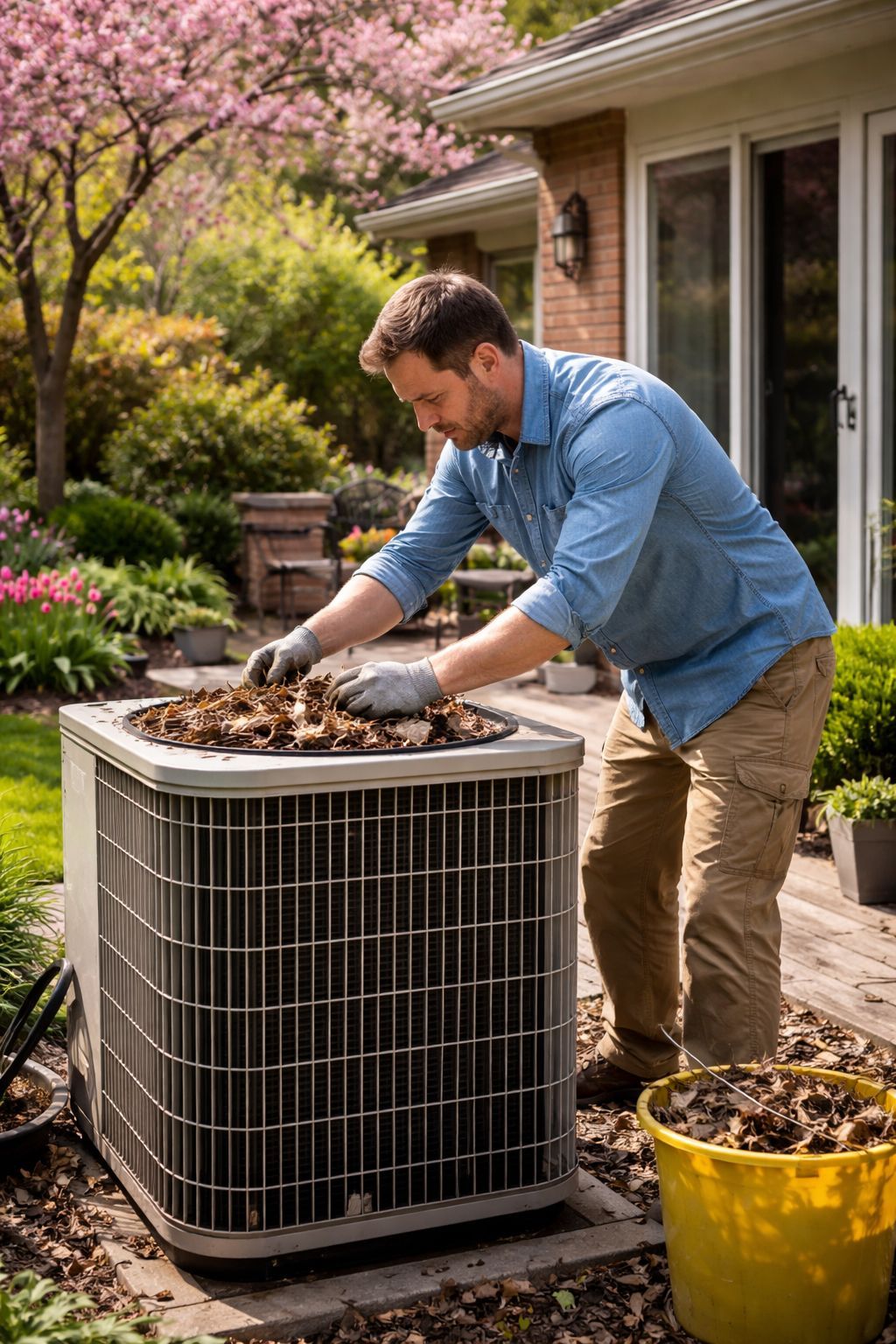
Remove any cover Leaving it on when you start the AC can cause serious damage — the unit needs airflow to function.

Clear debris — leaves, twigs, and dirt that's accumulated over winter.

Check for critter damage. Mice and squirrels nest in warm, enclosed spaces over winter. Look for chewed wires or nesting material inside the unit.

Trim back any plants or shrubs — you want at least 60 cm (2 feet) of clearance on all sides.

Rinse the coils with a garden hose on a fan setting to clear dust and pollen. Spray from the inside out. Never use a pressure washer.

Step 3: Check and Replace Your Air Filter 

This is the single most impactful thing you can do yourself, and it costs just a few dollars.

Your furnace filter handles airflow for your cooling system in summer too. A clogged filter forces the AC to work harder, drives up your hydro bill, and strains the equipment.

Hold your current filter up to a light source — if you can't see light through it, replace it. During cooling season, check a standard 1" filter monthly. A 5" pleated media filter is generally good for the full year but worth a check in spring.

Step 4: Check Your Vents and Returns Indoors

Do a quick walkthrough before the first run:


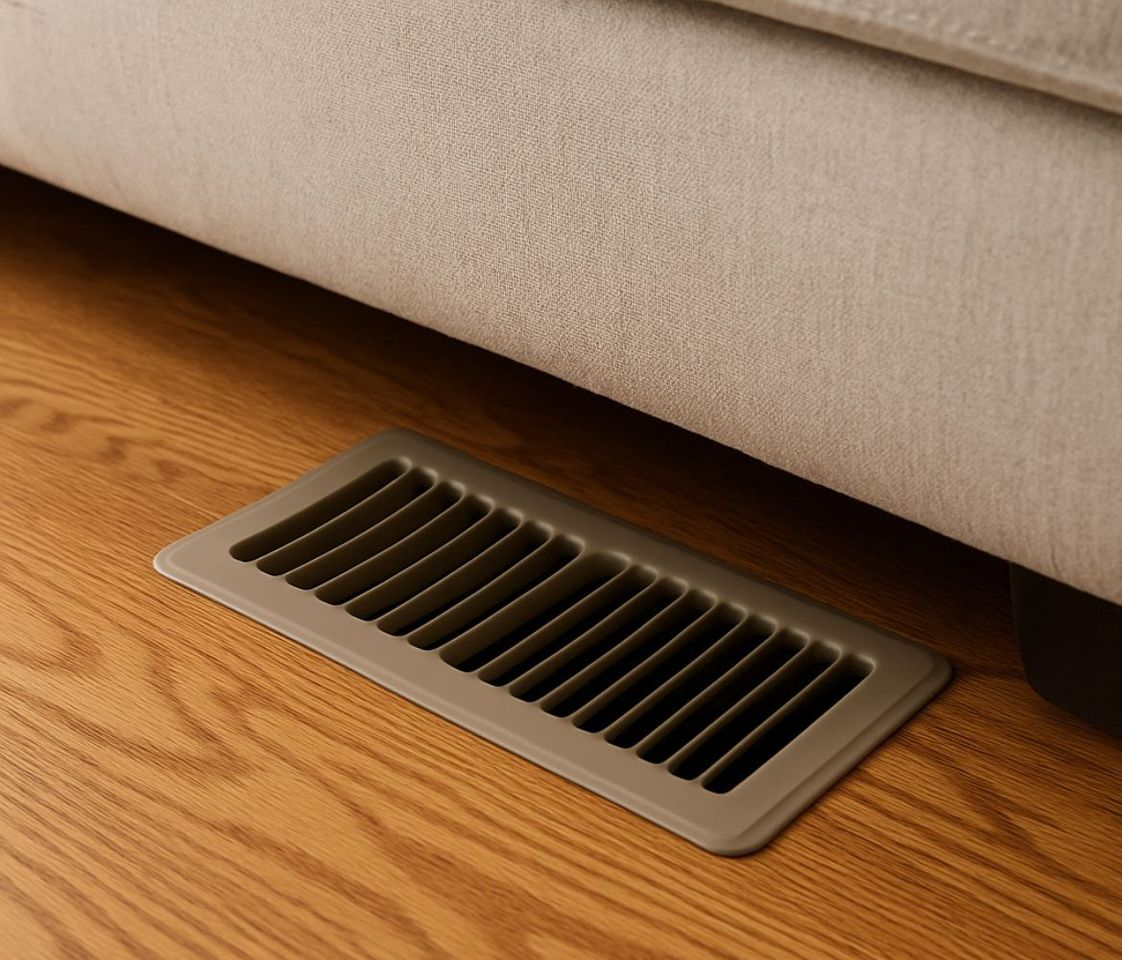
Open all supply vents.  Closing vents to "save energy" actually creates pressure imbalances that strain the system.

Clear return air vents — rugs, curtains, and furniture commonly end up blocking these over winter.

Wipe down vent covers — with allergy season arriving in Durham Region, you want clean airflow from day one.

Step 5: Switch Your Thermostat to Cool Mode

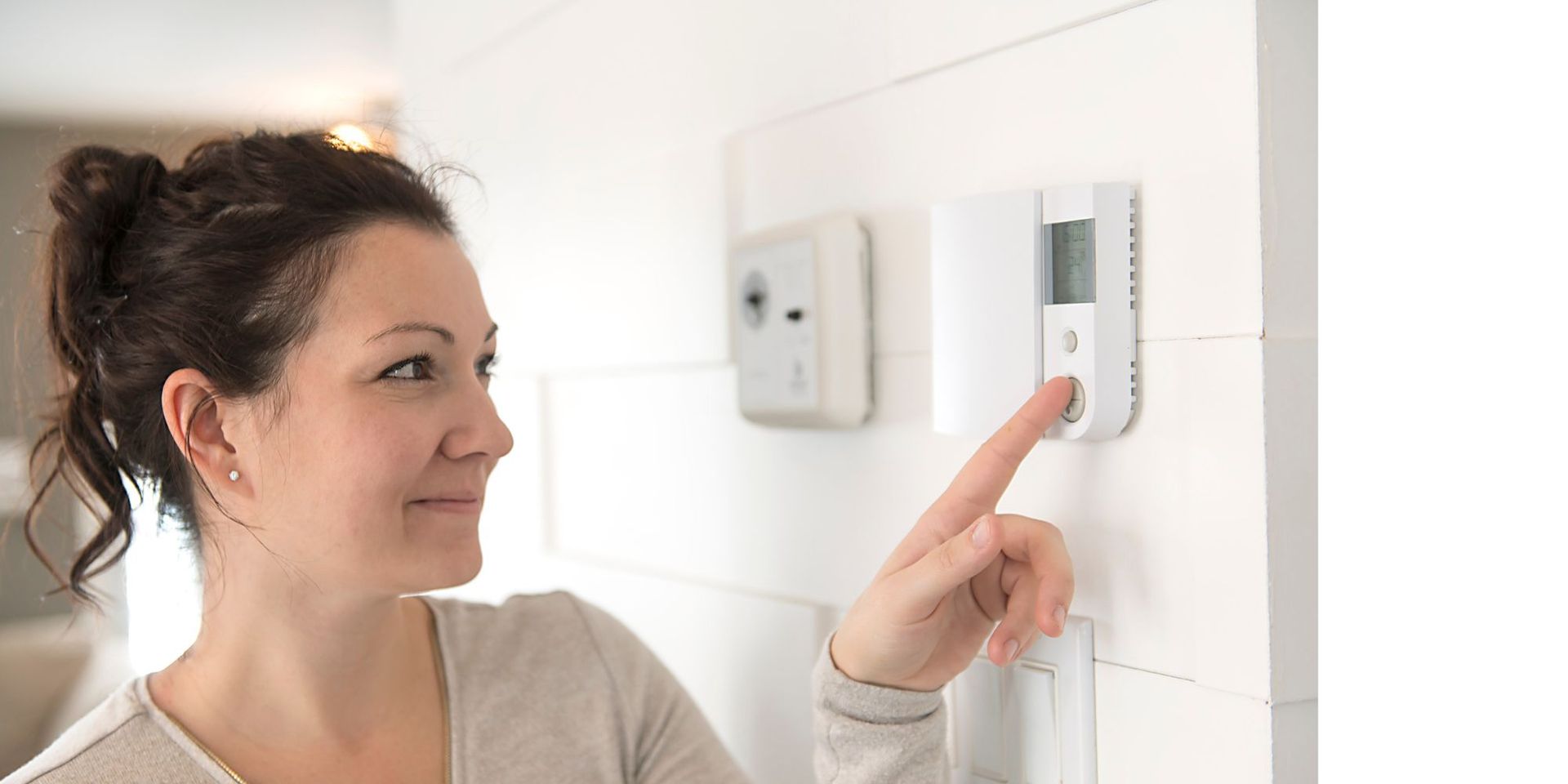
Switch from Heat to Cool mode.

Set the target temperature a few degrees below your current indoor temperature so the system calls for cooling during your test. Replace thermostat batteries if needed. If you're still on a basic manual thermostat, spring is a great time to consider a smart thermostat upgrade — most pay for themselves within a year through energy savings.

Step 6: Run a First-Start Test and Know the Warning Signs

Once outdoor temps are above 15°C, set the thermostat to cool and head outside to listen for the compressor to kick on. Go back inside and confirm cool air is coming from the vents within 10–15 minutes.


Normal on first startup:

  • A brief musty smell as dust burns off — clears quickly
  • Some vibration and noise from the outdoor unit

Shut it down and call a technician if you notice:

  • Warm air after 15+ minutes of running
  • Loud banging, grinding, rattling, or screeching
  • A burning smell that doesn't clear quickly
  • Water leaking from the indoor unit or ceiling vents
  • The system short-cycling (turning on and off rapidly)
  • Ice forming on the outdoor unit or refrigerant lines

These problems are far cheaper to fix in spring than mid-July, when every HVAC technician in Durham Region is fully booked.

Step 7: Book a Professional Tune-Up Before the Rush

The steps above cover what you can do yourself. But there's a whole layer of your AC system that only a licensed technician can properly inspect — and skipping it is how small problems turn into expensive summer breakdowns.


A professional spring AC tune-up includes:

  • Checking and topping up refrigerant levels
  • Cleaning evaporator and condenser coils
  • Inspecting electrical components, capacitors, and contactors
  • Flushing the condensate drain line
  • Verifying system pressures and temperatures are within spec

Spring is the best time to book. Once June hits and the heat arrives, schedules fill up fast. Book in April or May and get the appointment you want — not an emergency call at premium rates.

The Bottom Line

A little attention before the season starts means reliable, efficient cooling all summer long. Work through this checklist when outdoor temps hit 15°C, book your tune-up before the rush, and you'll head into summer confident your home can handle whatever Ontario's weather brings.

Ready to book your spring AC tune-up? Call Advantage Airtech ClimateCare at 905-683-4477 or visit advantageairtech.com.

Serving Pickering, Ajax, Whitby, Oshawa, and Durham Region since 1987.

You might also like

March 26, 2026
If your AC runs constantly or doesn’t turn on at all, read this blog to learn about a few of the major concerns related to air conditioners and how to tackle them.
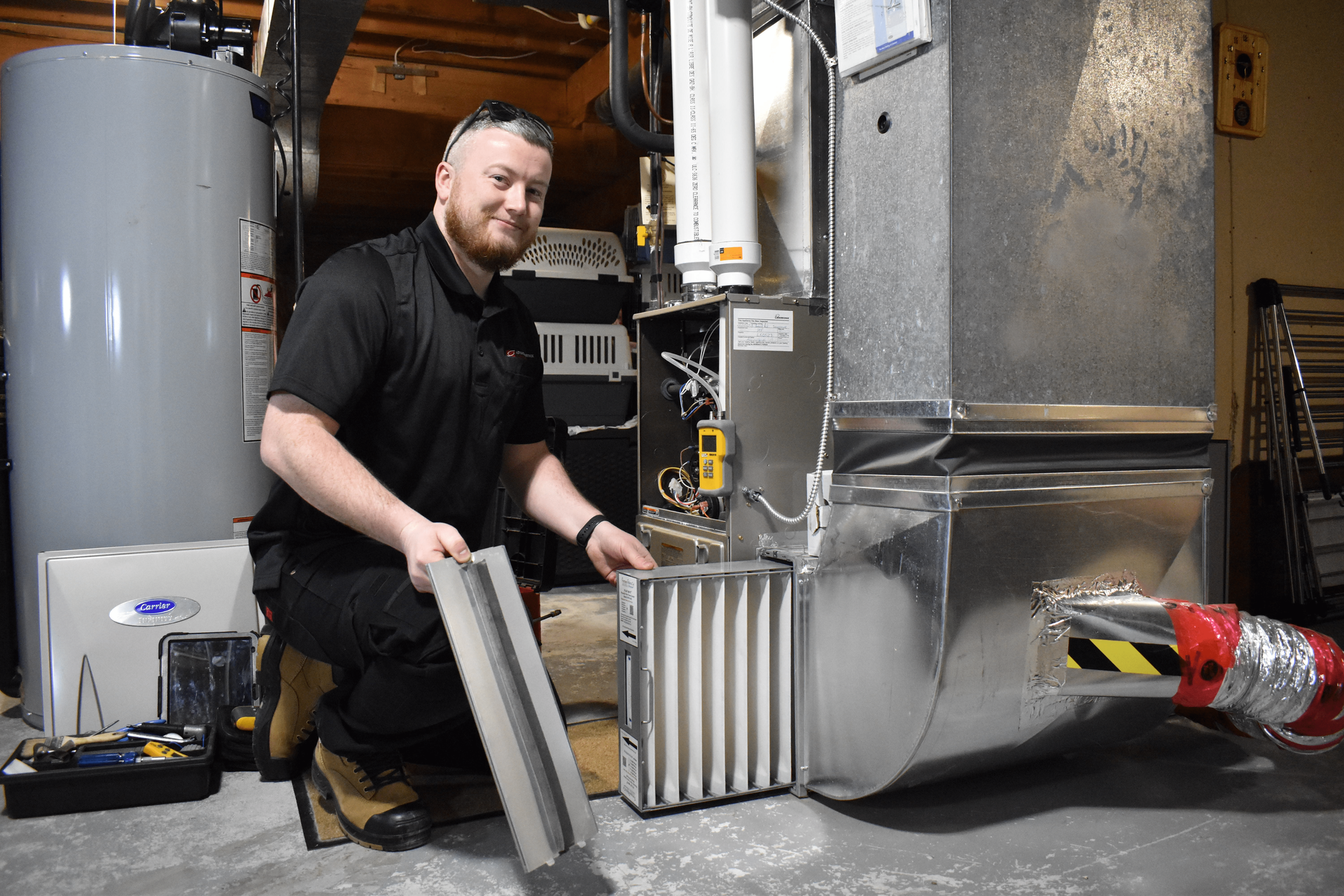
HVAC technician inspecting a residential furnace during a service visit
February 9, 2026
High efficiency furnaces changed the HVAC industry by producing more heat while using less fuel. This results in lower energy bills, more consistent comfort, and reduced environmental impact. If you are wondering whether your current furnace is high efficiency, or you are considering upgrading, understanding how these systems work can help you make an informed decision. Here is a simple guide to identifying a high efficiency furnace and why it may be worth the investment.
February 2, 2026
When your water heater keeps turning off, it can ruin your morning, especially if it happens in the middle of a shower. You reset it, it seems fine, and then it shuts off again. If this keeps happening, it is usually a sign that something is wrong and should not be ignored. Some of the reasons below apply to gas water heaters , while others can affect electric models . Here are the most common causes of repeated water heater shutdowns and what you can do about them.

Book a Service Today